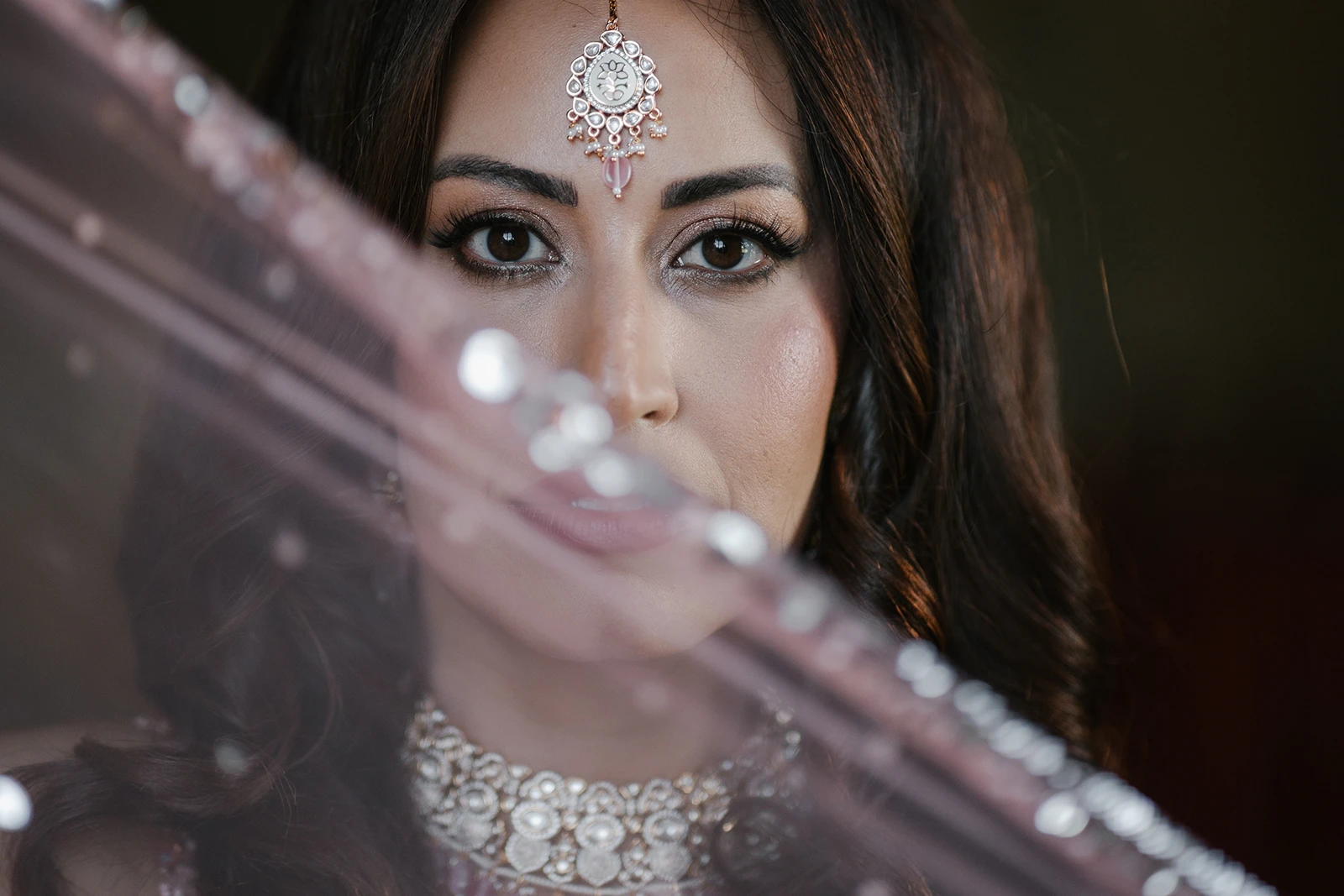
This piece began life as a feature I wrote for Grounded Magazine. I wanted to bring it home to you, my clients and readers, because what I’m about to share with you sits at the very heart of how I practice trichology.
If there’s one thing I want people to walk away believing after they sit in my chair, it’s this: your hair is not separate from the rest of you. It’s not an extension of you, nor is it just keratin. It can tell you a lot about your body, especially if you know how to read it.
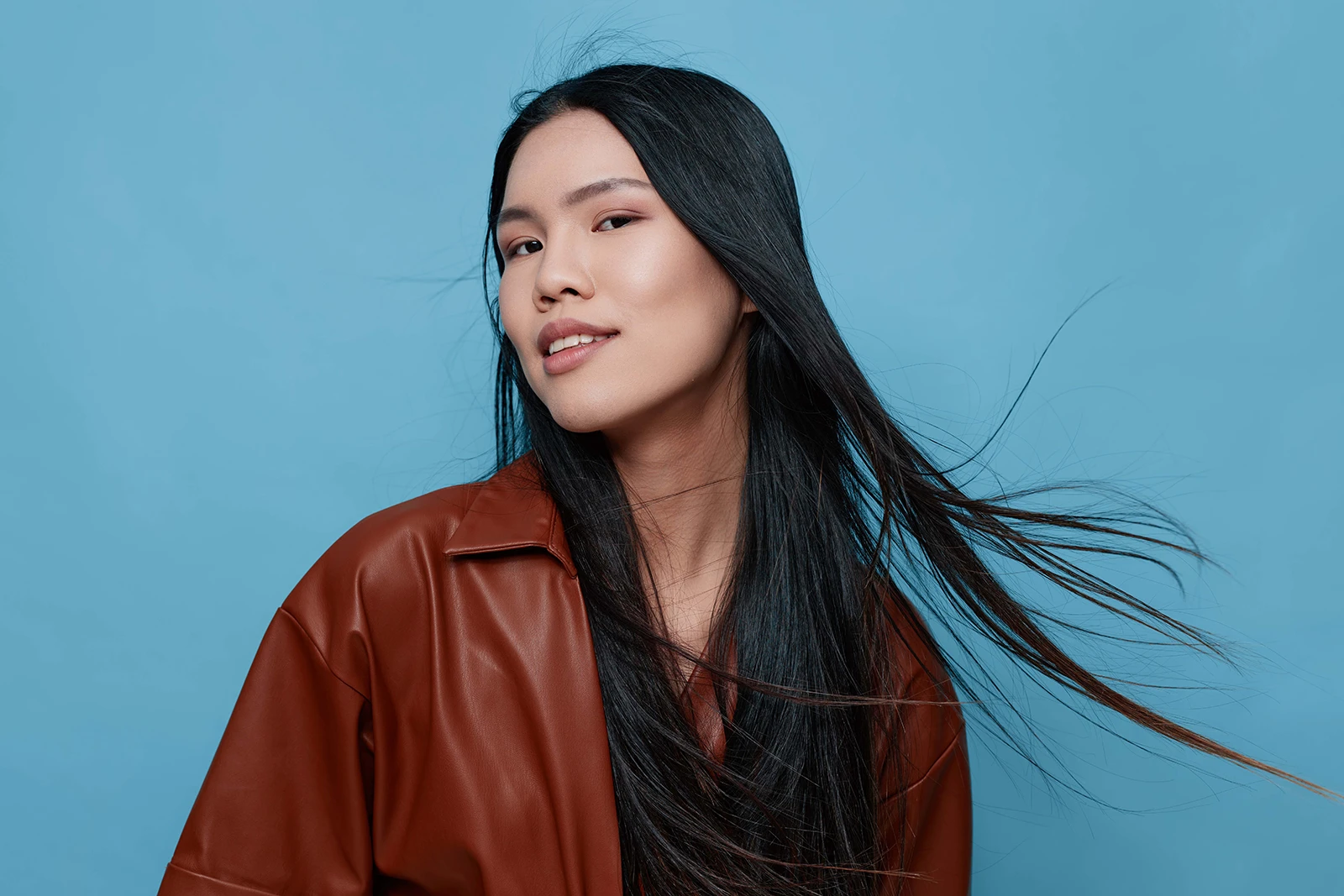
Your hair is a living archive; a biological storyteller that weaves together emotion, identity, and history. Hair has always been a symbol of power, spirituality, and transformation, from Medusa’s serpentine locks in Greek mythology, to the royal wigs of ancient Egypt, to Samson’s divine strength and Rapunzel’s fabled purity.
Through beauty and fear, purity and persecution, hair has remained a manifesto of humanity’s deepest archetypes. Today, science has given this symbolism a physiological voice: hair is now recognised as a marker of health, an emotional barometer, and a mirror of our inner world.
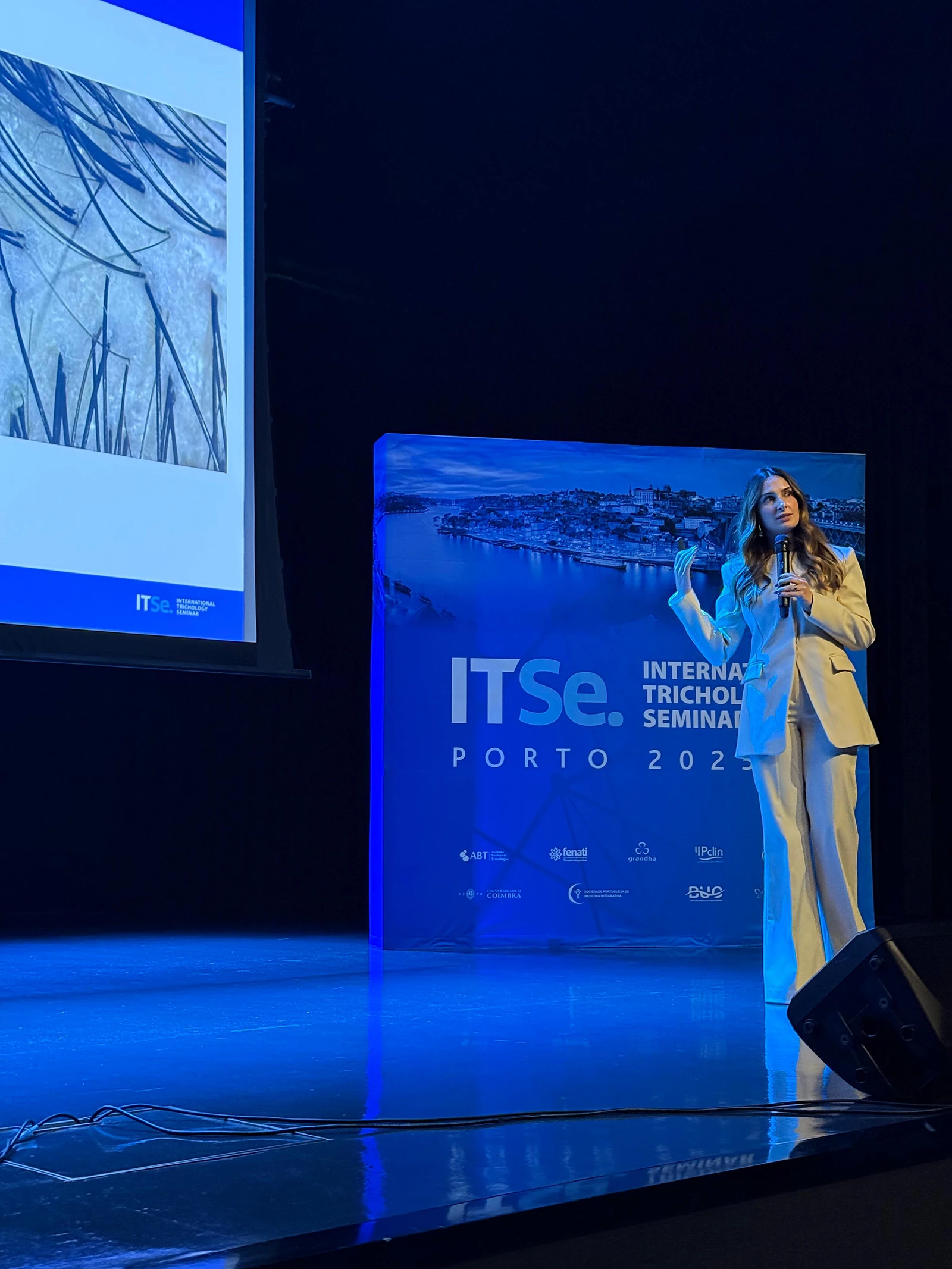
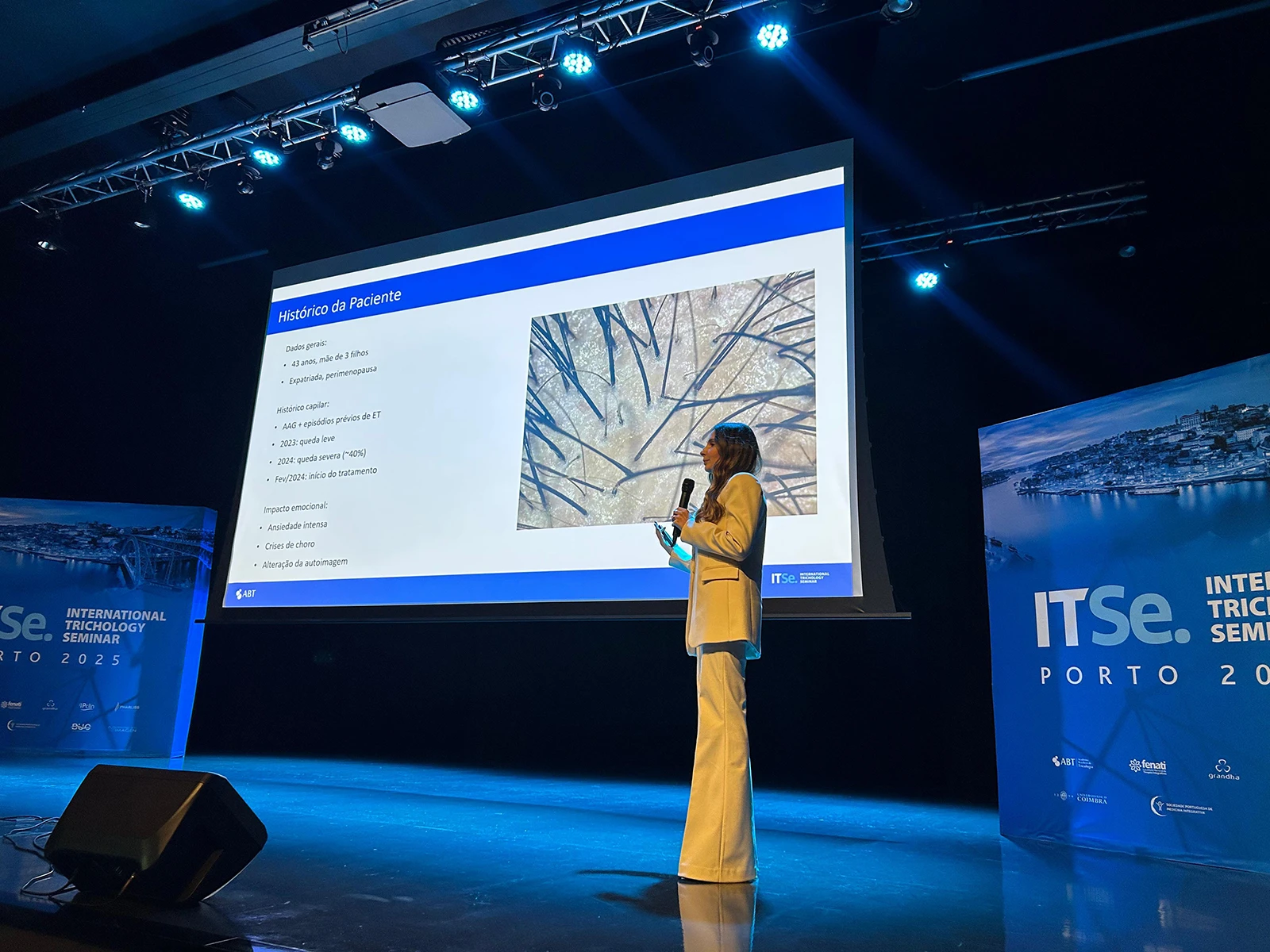
I’ve built my entire practice around this belief, and last year I had the honour of sharing it on stage to more than 300 trichologists, doctors and aesthetic professionals at the ITSe Congress in Porto. I presented research I’ve been developing on the relationship between hair, health and emotion – something that has shaped how I think about every single client who sits in my chair.
The body and mind were never actually separate
Here’s something I say to my clients often, and I mean it quite literally: hair is a silent scream of the body and soul.

In psychosomatics, there’s no real line that divides the two. Psyche means mind, Soma means body. We are one. Think about what happens during a panic attack – the heart races, the hands tremble, and the breath becomes more frequent. None of that is imagined. It’s the body’s emotional language, expressed physically.
The scalp is affected in the same way. Stress, grief, and chronic anxiety don’t only sit in the background of someone’s life. They change how the follicles behave.
I see this most under sustained stress. The hypothalamic–pituitary–adrenal axis (the HPA axis) shifts into overdrive, causing cortisol to rise and inflammatory cytokines to get released. Oxidative stress starts altering the immune environment of the scalp and it’s that chain reaction that often causes conditions like telogen effluvium, alopecia areata, and androgenetic alopecia.
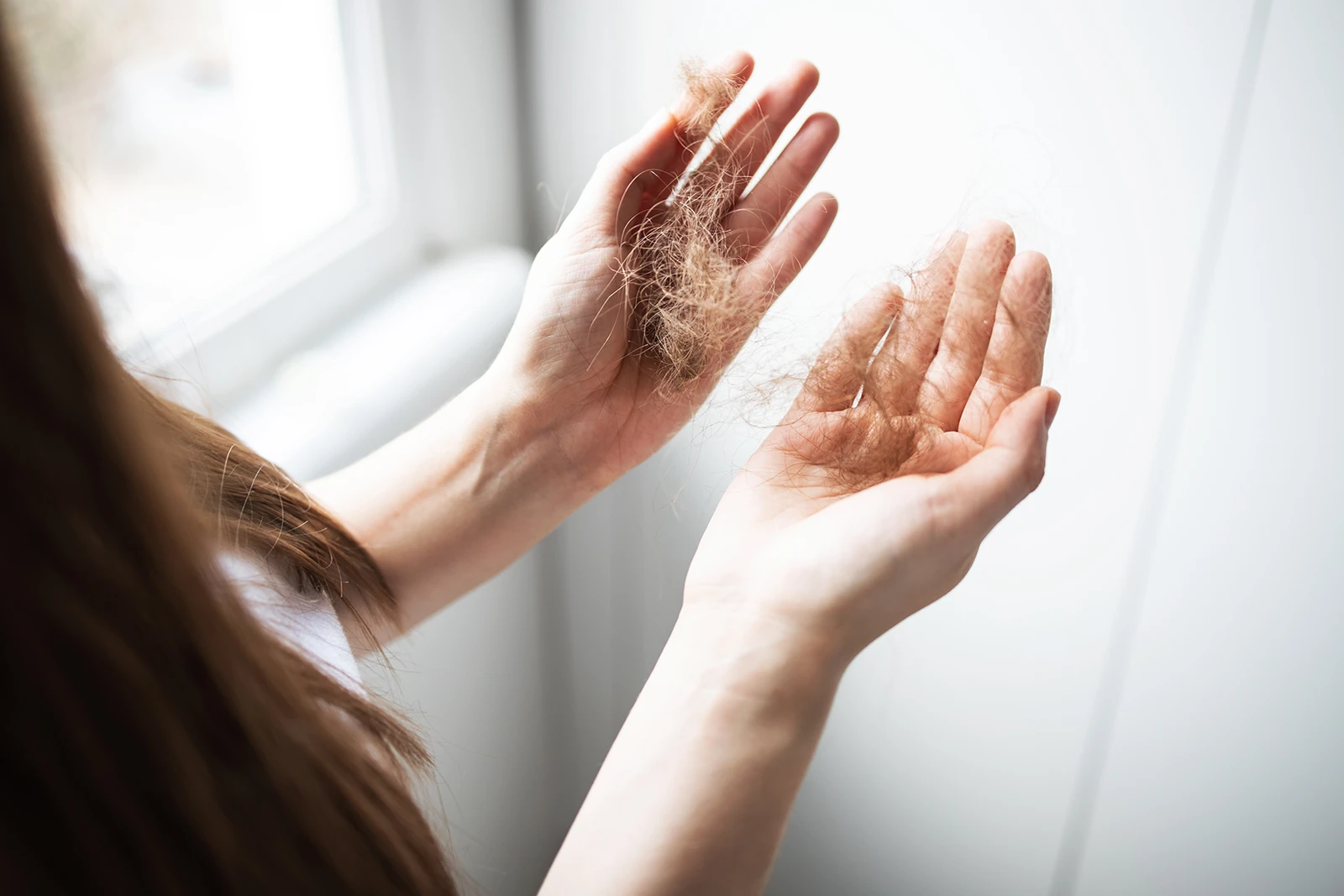
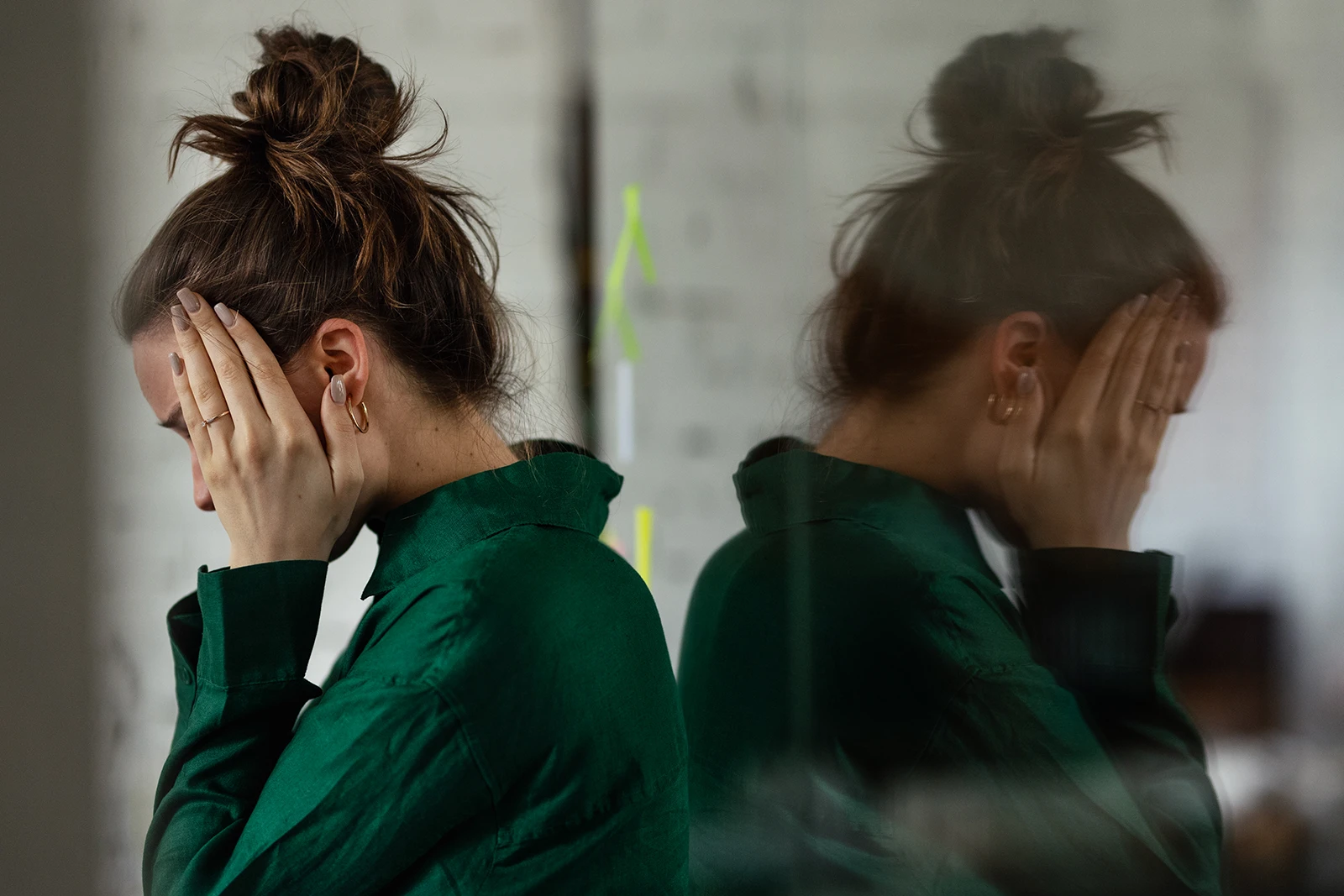
To put it simply, when someone’s hair is falling out, it’s not just falling; it’s telling a story about their body and health.
Why “I don’t recognise myself anymore” is the phrase I listen for most
I hear this constantly, and it’s rarely just about hair. When someone says it, they’re usually talking about their identity and a sense of balance that’s quietly slipped away.
That’s why I never treat hair loss as an isolated symptom. To me, it’s a message that reflects an imbalance in the body. Hormones, nutrition, metabolism, stress, inflammation and emotional wellbeing are all interconnected, and they all show up in how your hair and follicles respond.
This is why I refuse to practise trichology in isolation
My approach has always been multidisciplinary. That’s a deliberate choice. Trichology can’t be cut off from endocrinology, nutrition, or psychology – not if you actually want to help someone, rather than just treat a symptom.
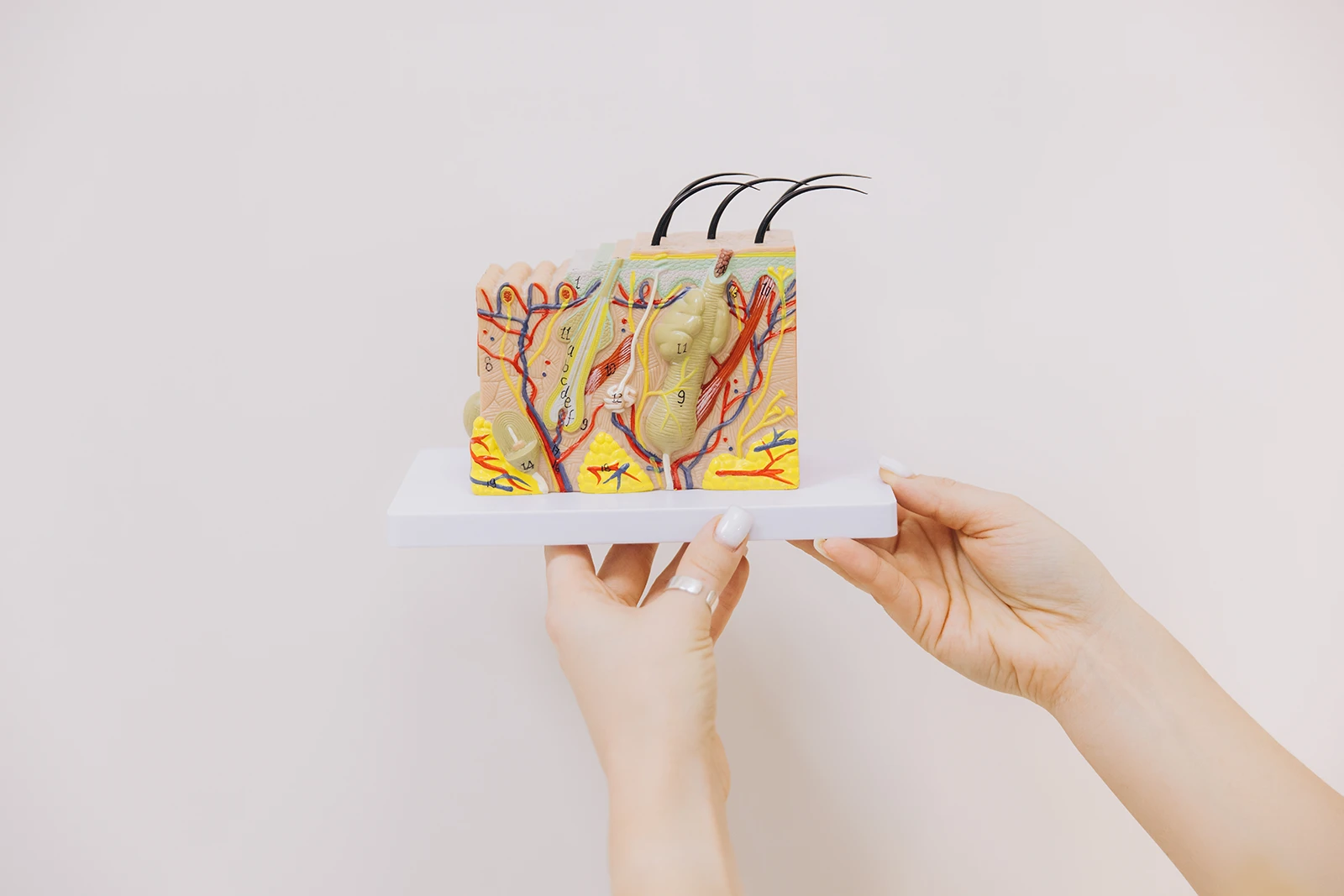
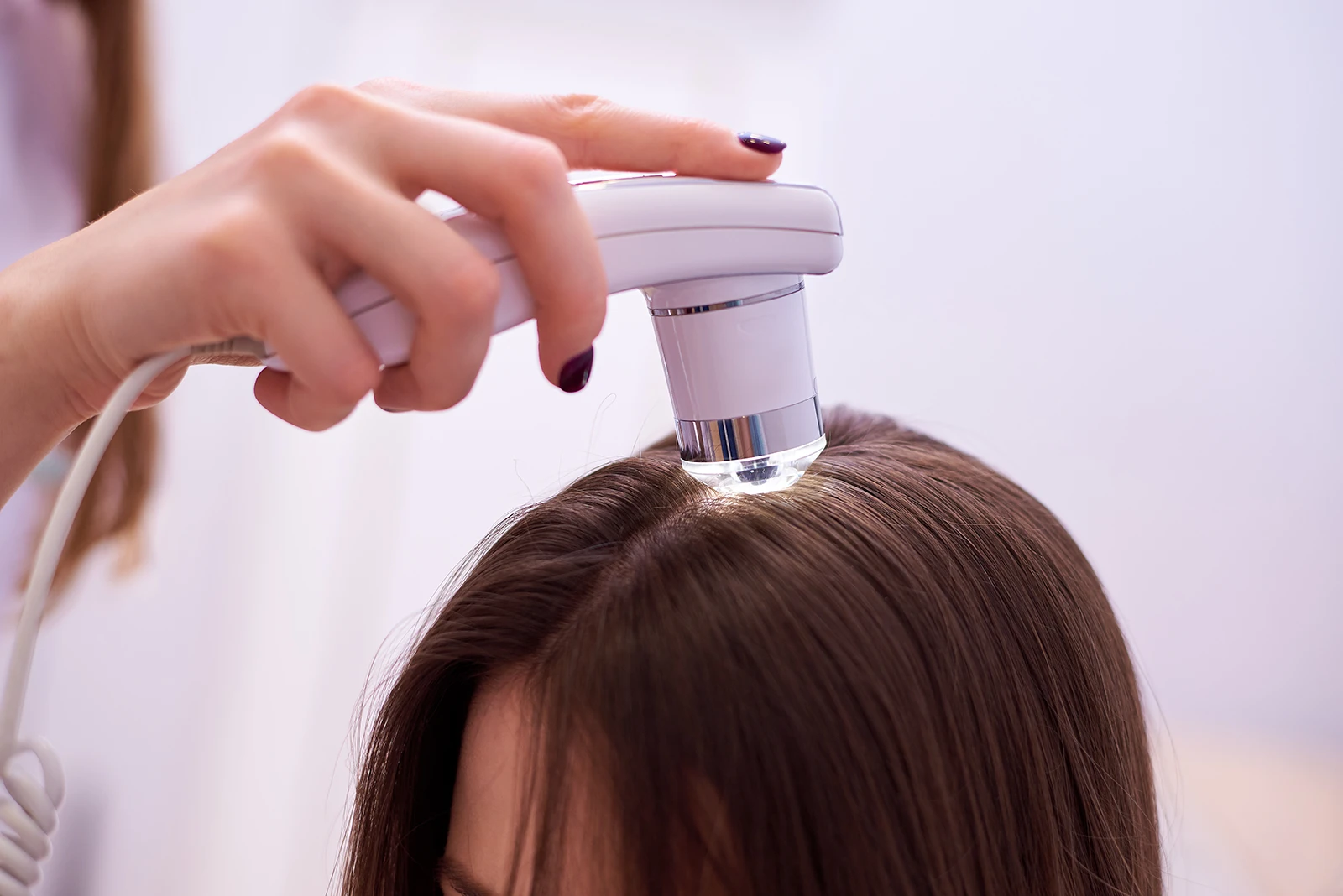
When internal balance is restored, scalp health tends to follow.
Therapies are essential – scalp therapy, aromatherapy, light therapy and micronutrient support. But the real core of my practice is something much simpler: listening, educating, and helping someone reconnect with their own physiology.
Real healing starts the moment we understand that hair doesn’t grow in isolation, it grows in response to the person – body, mind, and environment all together.
The Truth Beneath the Surface
Hair is a reflection of what we nourish, what we suppress, and what we carry in our hearts – sometimes without even realising it. Wellness is not superficial, and beauty is not decoration. To heal it properly means restoring the connection between body and mind, because in the end, the most profound luxury isn’t a product or a treatment. It’s finding a true balance where the science exists in harmony with one’s self and one’s soul.


Izabella Bordignon